
Published January 31, 2026 03:22AM
It seems like everyone’s walking uphill. When you’re at the gym, most treadmills are set to a steep slope as folks periodically tap the incline button.
Social media is also a big fan of the incline. You’ve got the 12-3-30 treadmill workout (which involves setting the incline to 12 percent and walking at three miles per hour for 30 minutes) that went viral after influencer Lauren Giraldo said it helped her reach her fitness goals. Then there’s the popular “hot girl hikes,” founded by influencer Katie Gassman, in which “hot girl hosts” lead trips to major national parks.
But long before trending workouts and influencer-inspired excursions, walking uphill served many functions: a way to fight disease, punish inmates, prepare military personnel for battle, and gather real-time data on heart health.
Tuberculosis and Uphill Walking as a Prescription
Tuberculosis (TB), one of the world’s oldest and most persistent diseases, has plagued humanity for over 70,000 years. Just in 2024 alone, it was reported that over eight million people around the world received a TB diagnosis.
But before antibiotics arrived in the 20th century, with the discovery of penicillin, the medical response to a TB case was blunt but deliberate: fresh air, high altitude, meticulous hygiene, and uphill walking. These prescriptive measures took place in isolated medical facilities known as sanatoriums, and some of the fancier ones resembled a cross between a hospital and a resort.
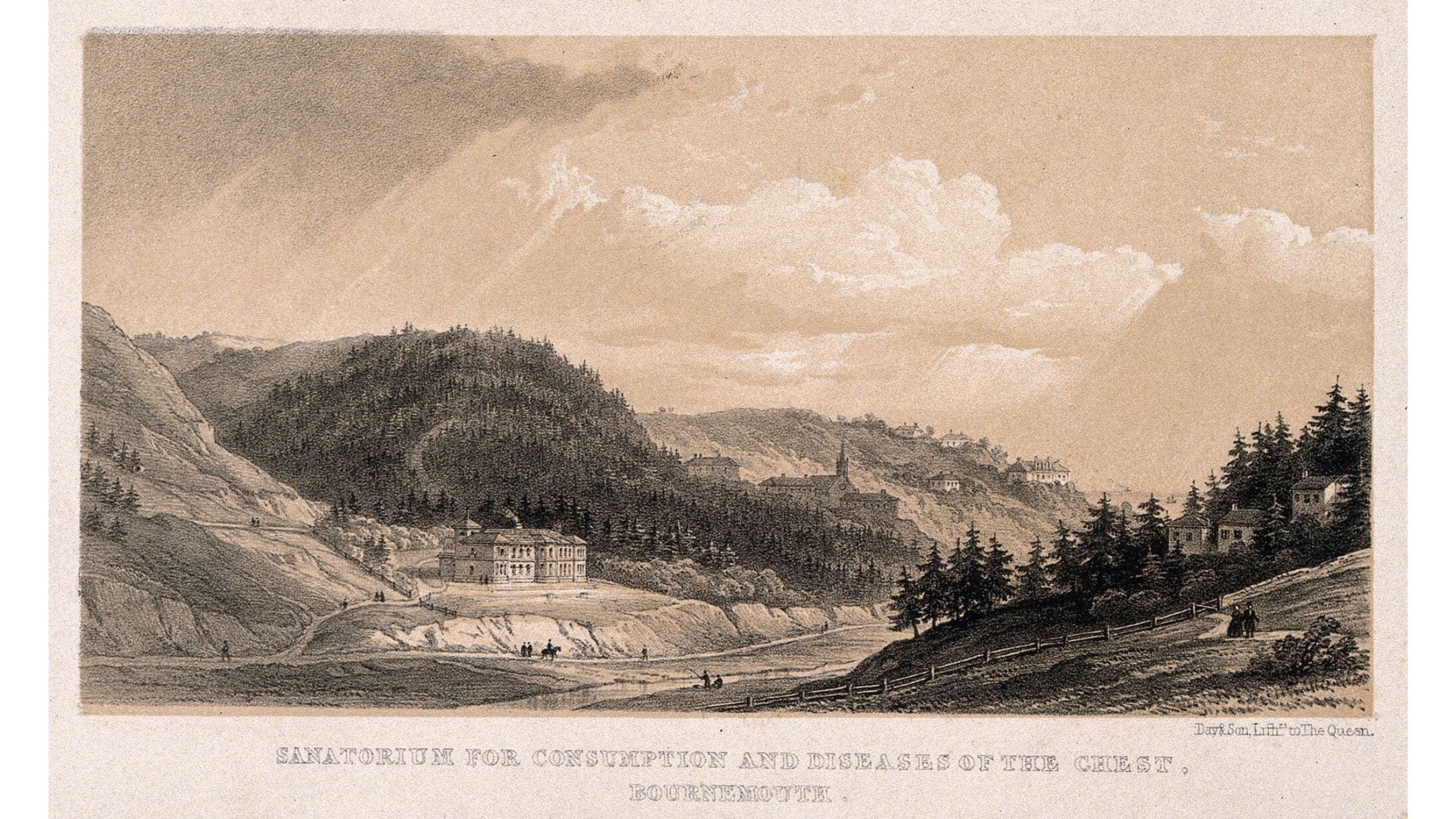
Among the first to formalize uphill walking as a prescription was Dr. Hermann Brehmer, who, in 1854, claimed that TB could be cured in high-altitude locations, based on his own recovery from the disease after a stint in the Himalayas.
The reason? Uphill walking at a low speed—Brehmer insisted on no more than two to three miles per hour—improved heart function.
Traversing Uneven Terrain in the Military
Fast forwarding to the 1940s, the United States military had codified a simple truth: Fitness began with movement, not machinery.
The military FM 21-20 Basic Field Manual, issued in 1941, laid the foundation for combat conditioning and explored the physiological benefits of “traversing rough and varied terrain.” Marching up and down irregular ground, according to the manual, was “designed to develop endurance, agility, and coordination.”
The Treadmill Era
In the early 19th century, treadmills existed, but not in the way we know them today. An engineer named William Cubitt invented the earlier iteration of the treadmill, called a treadwheel. Rather than being purely used for exercise, they were instruments of moral correction designed to wear prisoners down through endless exertion.
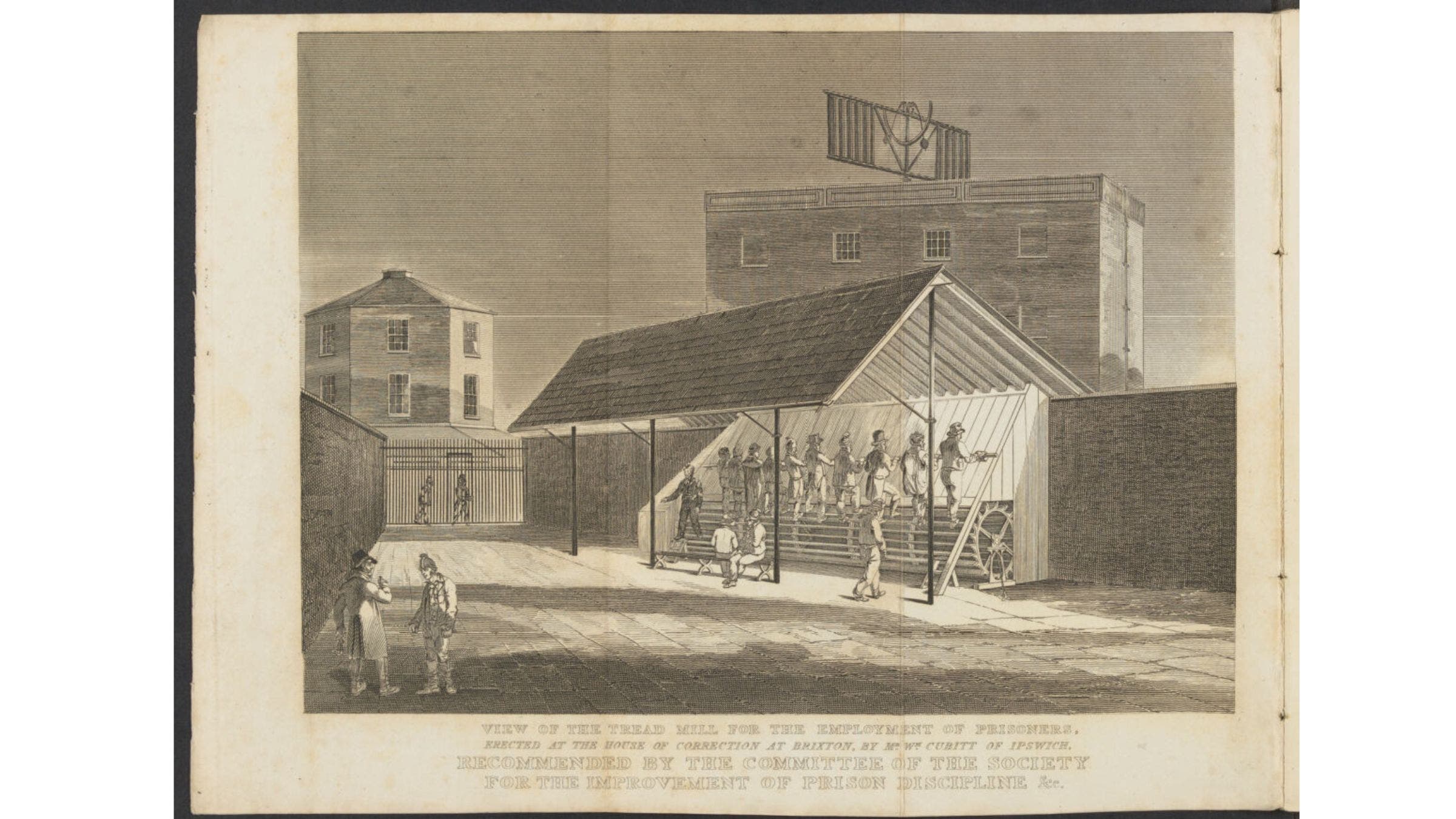
Cubitt’s version consisted of a fixed, wide wheel that would turn when prisoners stepped on each spoke; they would do this for even ten hours a day. The wheel could then be attached to a corn-grinding machine so that each step would help mash the kernels. But what was once punitive would eventually be relabeled.
The turning point came in the 1960s, led by cardiologist Dr. Robert A. Bruce. He recognized the opportunity to use the treadmill to help diagnose heart disease with a method known as the Bruce Protocol. Today, it’s now one of the most trusted methods in cardiology.
The test is simple. The patient walks at a low speed, just 1.7 miles per hour, at a ten percent incline. Every three minutes, both metrics tick upward, eventually reaching 5.5 mph at a 22 percent incline. Patients walk until they are fatigued or express a desire to stop the test. Meanwhile, clinicians look for symptoms of angina (intense chest pain) and dyspnea, which refers to breathing difficulties. They’ll also log patients’ heart rate, blood pressure, and electrical signals in the heart.
Bruce’s protocol was used because it was a safe, repeatable way to test heart health and function. And so incline walking ultimately became a window into cardiovascular resilience.
The Modern Rebrand of Incline Walking and Why We Keep Coming Back to It
Like most fitness trends, the practice of incline walking has persisted, but its branding has evolved. The 12-3-30 workout repackages old logic into a sleek formula. It’s marketed as transformative—and for many, it may be. But its effectiveness isn’t new. It’s the same uphill approach used in sanatoriums, military field manuals, and cardiac stress labs for over a century. Why? Walking on an incline, according to research, engages the lower body and may improve cardiovascular health without overstressing the joints, which is especially beneficial for older adults. The appeal? Low impact, high return.
Even mountaineering training guidance includes step-up exercises to help prime the glutes and quads for intense uphill climbs with a load on your back. And the previously mentioned hot girl hikes make incline walking trendy, fun, and community-driven.
Uphill walking has worn multiple hats. But the method hasn’t changed—just the marketing. What was once therapy, protocol, or punishment is now a lifestyle.
Incline walking, or walking in general, still seems to get treated like a placeholder—something to do between more intense workouts like weightlifting or running. But it keeps showing up where it counts. Maybe that’s why it resurfaces under new names, new hashtags, and viral formats.
Walking returns not because it’s flashy, but because it’s effective. In a world obsessed with extremes, that’s enough.
Want more Outside health stories? Sign up for the Bodywork newsletter. And to get your new year off to a great start, sign up for the Winter Warrior Challenge; all you need to do is log 20 hours of workouts, and you’ll earn an exclusive challenge badge.