Published February 27, 2026 03:26AM
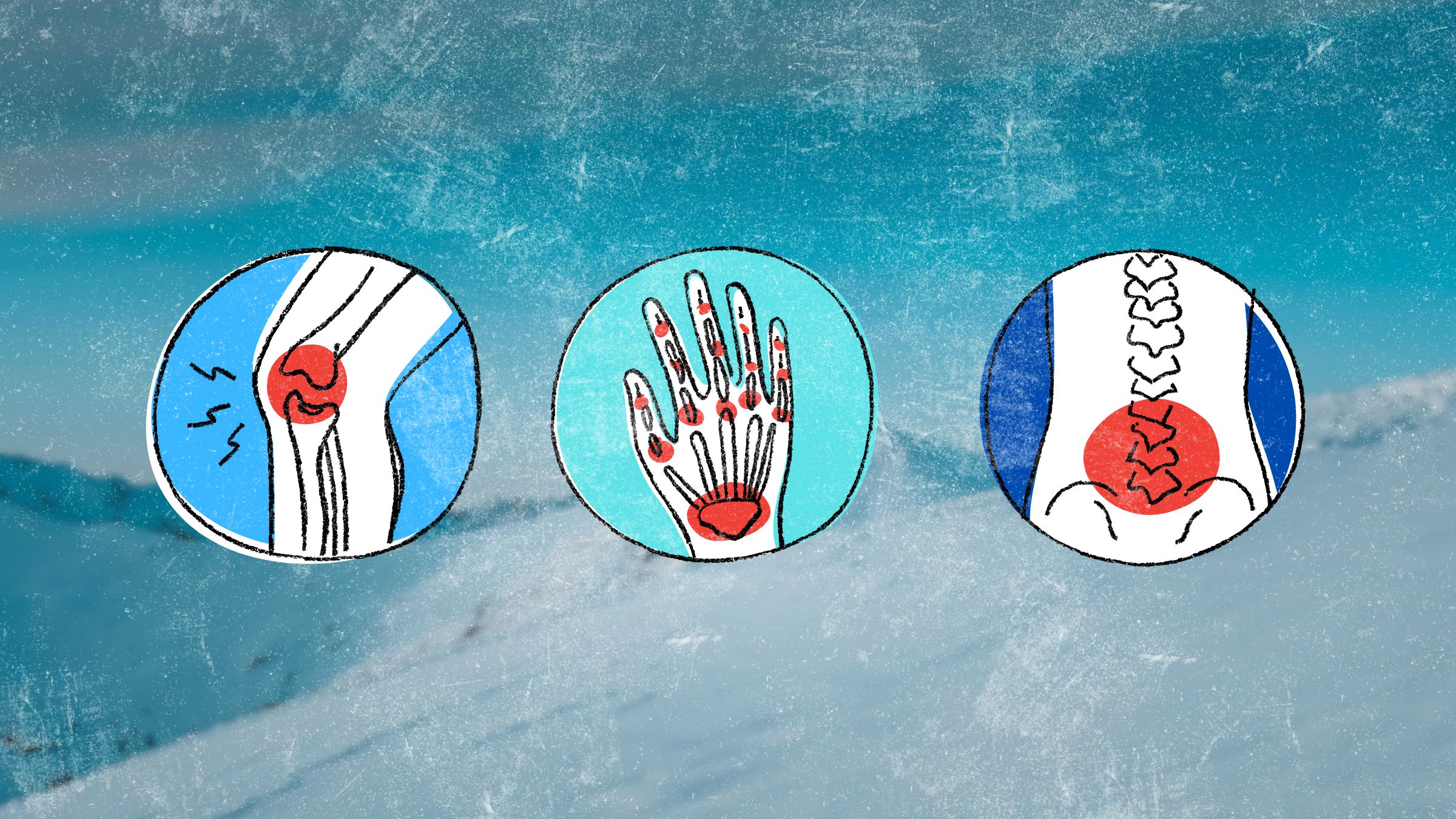
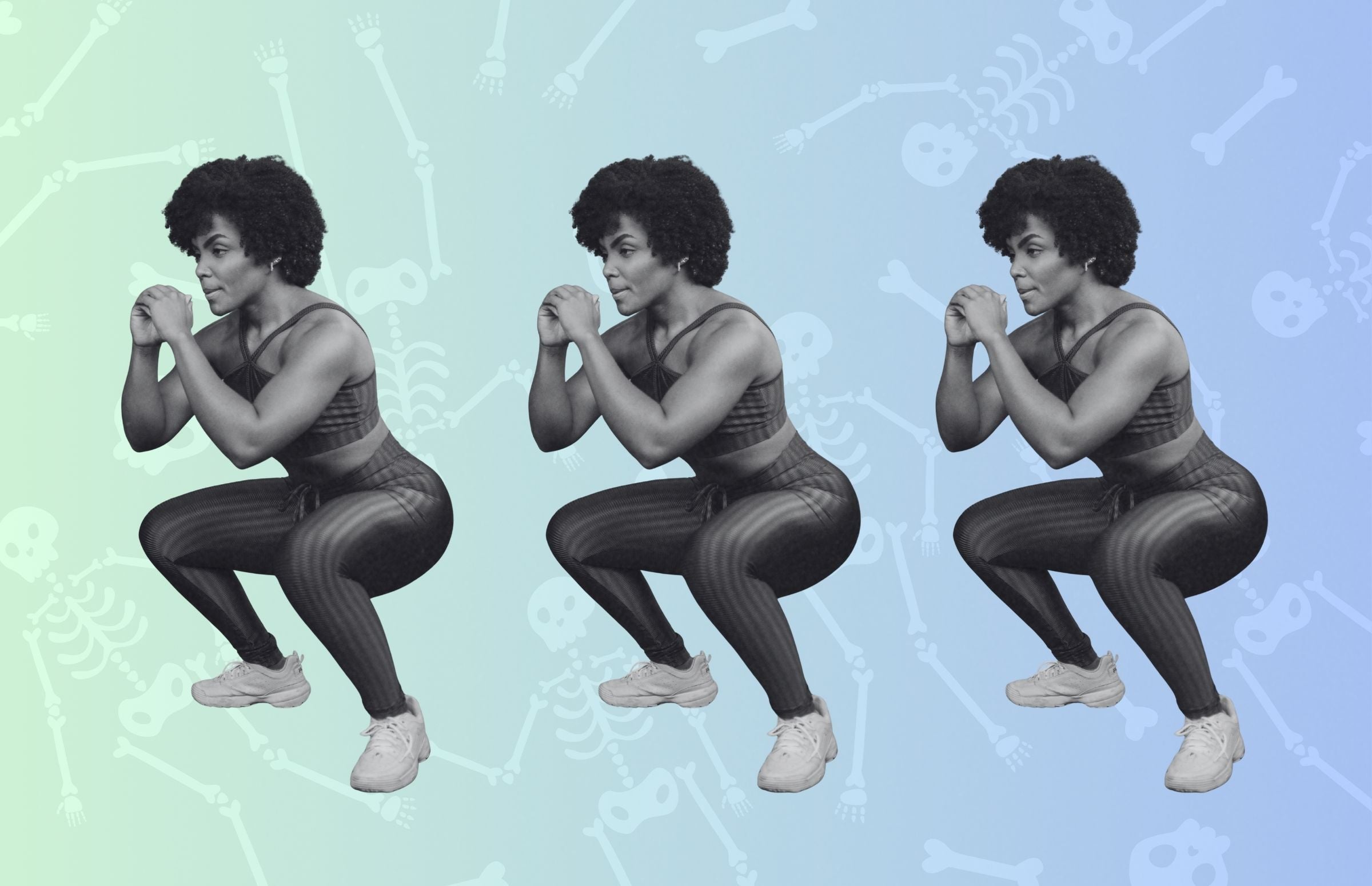
Many people don’t think about bone health until later in life, when issues like osteopenia (low bone density), osteoporosis (weak, brittle bones), and hip fractures become more prevalent. But it’s never too early to prioritize strong bones, and there’s a simple way to do so: jump more.
Weight-bearing exercise that transmits force to your bones equivalent to about four times your bodyweight is generally recommended for bone health, says Dr. Kristi Tough DeSapri, the founding physician of Bone and Body Women’s Health in Winnetka, Illinois. That’s because this level of impact helps stimulate osteoblasts (cells that develop new bones and grow existing ones) to do their job, she adds.
Not all forms of movement meet this criterion—for example, walking, swimming, and cycling, though wonderful forms of cardio, aren’t high enough impact—but many jumping exercises do. In fact, when it comes to exercises for better bone health, jumping moves deliver some of the “best bang for your buck,” DeSapri says. Examples include heel drops, jumping jacks, squat jumps, box jumps, box drops, and lateral bounds.
A meta-analysis of 18 studies, published in 2024 in the Journal of Sports Sciences, found that jump training improved hip bone mineral density in both younger and older adults. However, DeSapri says that the studies linking jumping exercises to improvements in bone density are very small, so it’s hard to draw strong conclusions. But based on what we do know, she recommends doing 20 to 50 jumps, three to five times a week, for better bone health.
Prioritizing bone health, in turn, can improve longevity. For women, “hip fractures are more common than breast cancer,” DeSapri says. “Many women think: ‘breast cancer is going to kill me,’ but actually the hip fracture is worse.”
Indeed, research shows hip fractures are more deadly for women than breast or thyroid cancers, and more deadly for men than prostate cancer. On a less serious but still life-altering scale, osteoporosis, if left untreated, can limit your ability to walk, live independently, and complete daily activities, DeSapri says. By bolstering bone density, you can reduce your risk of these issues in the first place.
With this info in mind, I developed the following three-move jumping workout for better bone health and longevity. It takes about five minutes, making it super easy to slot into your routine. And it includes 30 total jumps, so if you do it three to five times a week, you’ll meet DeSapri’s recommended dosage for jumping moves for bone health.
First though, an important caveat: the high-impact element of jumping exercises carries with it an inherently higher risk of injury. If you already have bone issues, or a family history of them, it’s best to check in with a medical professional before jumping. If you’re new to jumping moves, go slow, gradually dialing up the intensity and volume of your jumps.
3 Exercises for Bone Health and Longevity
Perform the following exercises in the order listed below:
- Do five reps of each before moving on to the next. (Take your time with the reps–don’t rush through them, but instead focus on good form.)
- Once you’ve completed all three exercises, rest for a minute or two.
- Repeat the circuit for two total rounds.
Note that the second and third exercises contain optional progressions to make the moves even more high-impact. If you feel comfortable with the exercises and have no problem with your balance or form, consider trying them.
1. Heel Drop
This beginner-friendly move doesn’t involve any actual jumping (your toes stay grounded the whole time), but it’s still helpful for bone health. That’s because it involves forcefully dropping your heels to the floor, which can create ground reaction forces that are beneficial for bone growth.
How to Do It:
- Stand tall with feet about hip-distance apart.
- Press through the balls of your feet to lift up onto your toes as high as you comfortably can.
- Pause for a moment at the top, then forcefully drop your heels back to the ground, creating as much impact as you can. That’s one rep.
- Do this for five reps.
2. Squat Jump
This exercise will challenge your glutes, hamstrings, and quads while also delivering bone-building benefits, thanks to the landing portion of the jump. Focus on landing with slightly bent knees, but also think about creating impact with the ground as you land.
How to Do It:
- Stand tall with feet hip-distance apart, arms at your sides.
- Bend your knees and push your hips back to lower into a squat, bringing your arms together in front of your body as you sink down. Engage your core and keep your back relatively flat (not arched or rounded).
- Pause for a moment at the bottom, then press through your feet to jump up as high as you can, throwing your arms apart for added momentum.
- Land with slightly bent knees. That’s one rep.
- Rest for a moment, then complete another rep. Do five total reps.
- Optional: As soon as you land from your squat jump, do another jump, focusing on springing up as high as you can. This is an advanced variation that will create additional impact.
3. Box Jump Down
By dropping down from an elevated surface, you’re transmitting a high amount of ground reaction forces onto your skeleton, which can help stimulate bone growth.
How to Do It:
- Stand on a step, box, or other sturdy elevated surface with feet hip-distance apart, arms at your sides.
- Bend your knees slightly to jump off the box. Land on the ground with slightly bent knees. This is 1 rep.
- Rest for a moment, then complete another rep. Do five total reps.
- Optional: As soon as you land from your jump down, do another jump, focusing on springing up as high as you can. This is an advanced variation that will create additional impact.
Keep in mind: jumping isn’t the only form of exercise recommended for bone health. DeSapri advises resistance training two to three times a week (which also strengthens your muscles) as well as posture and balance exercises (these don’t directly improve bone mineral density, but they do decrease your fall risk, she explains).
Want more Outside health stories? Sign up for the Bodywork newsletter. If you’re ready to push yourself, sign up for the You vs. The Year 2026 Challenge here.
Source link